
Ground-breaking heat recovery and geothermal heating project set to improve care and comfort at Birmingham hospital
Trust project harnesses waste and underground energy for sustainable future
An ambitious low-carbon heating project at Queen Elizabeth Hospital Birmingham is set to transform the experience of patients, staff, and visitors, while cutting energy costs and carbon emissions.
Led by University Hospitals Birmingham NHS Foundation Trust, the project has been made possible through the Public Sector Decarbonisation Scheme, delivered by our teams at Salix.
The Trust has been awarded £14 million from Phase 4 of the fund to install a hybrid ground source heat pump system at the hospital’s Acute Building, which provides outpatient, diagnostic, and day surgery services to thousands of patients each year.
The new system is expected to be operational by 2028. It’s expected to deliver annual energy savings of more than £180,000 and cut direct carbon emissions by more than 4,000 tonnes - helping the hospital run more efficiently and sustainably.
Beyond the environmental and financial benefits, the project is designed with people at its heart.
The innovative low-carbon heating system combines waste heat recovery with geothermal technology and a water source heat pump to maintain the hospital’s high-temperature requirements.
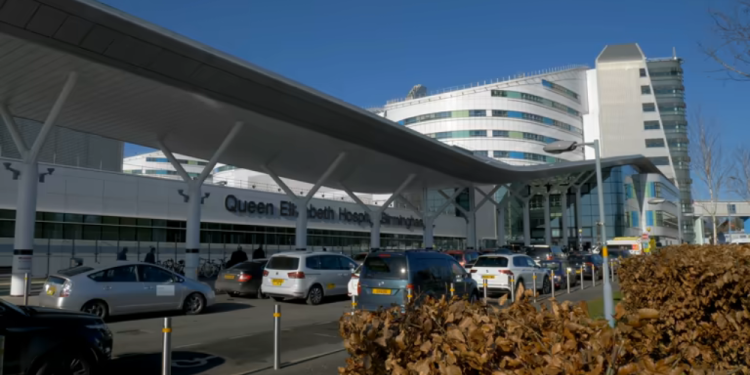
The Queen Elizabeth Hospital Birmingham
Photo credit: iStock image
This means low carbon heat will be provided, reducing direct onsite carbon and nitrogen oxide emissions, improving the immediate hospital environment for patients and staff alike, without disrupting vital services.
Deputy director of estates and facilities from University Hospitals Birmingham NHS Foundation Trust Akin Makinde, said: “We wanted to significantly reduce our usage of gas boilers by providing a reliable, low carbon and cost-effective way to heat our buildings.
“Patients, staff, and visitors rely on us every day, so maintaining comfort and safety throughout the project will be our top priority.
“This isn’t just about energy savings, it’s about creating better, more sustainable spaces for the people who use our hospital every day.”
To further reduce environmental impact, a 950kW solar array will be installed to help power the system, reducing reliance on the grid and supporting cleaner energy for everyone on site.
We are investing in better ways to heat the buildings, via the electrification of heat. Not only is the hospital decarbonising, it is contributing towards the wider community, NHS England’s and the Government’s commitment to reduce carbon emissions and reach net zero carbon.
The project is being supported by The Carbon and Energy Fund (CEF), an organisation which offers specialist support in procurement, engineering, legal and finance.
CEF project manager Paddy Hendry said: “Large hospital sites come with big challenges, but we’re committed to doing this in a way that keeps patient care front and centre.”
“We are investing in better ways to heat the buildings, via the electrification of heat. Not only is the hospital decarbonising, it is contributing towards the wider community, NHS England’s and the Government’s commitment to reduce carbon emissions and reach net zero carbon.
“By significantly reducing the consumption of natural gas both carbon and nitrogen oxide emissions will be reduced improving the air quality in and around the hospital.”
Director of public sector decarbonisation at Salix Ian Rodger said: “This project shows how low-carbon technologies can benefit people as well as the planet.
“By supporting University Hospitals Birmingham through funding, technical advice, and delivery guidance, our teams at Salix are helping ensure that patients and staff enjoy safe, comfortable, and sustainable healthcare environments.”
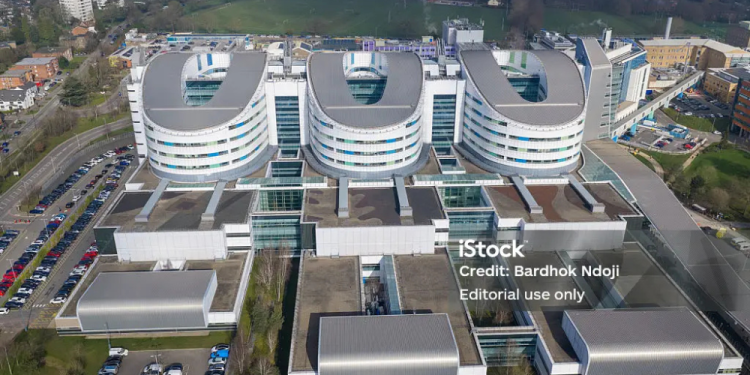
Photo credit: iStock image, Bardhok Ndoji
With its combination of geothermal heating, waste heat recovery, and solar energy, the project is a pioneering example of how NHS hospitals can reduce carbon, save money, and most importantly, make a positive difference for the people who rely on their care every day.
At Salix our teams are delighted to support Birmingham, and we are working very closely with the Trust team as well as CEF over the next few years to support them as they reach various benchmarks and deadlines.
We’ll be visiting the site once the work starts and we look forward to telling the story about how they are progressing this part of their net zero journey.


