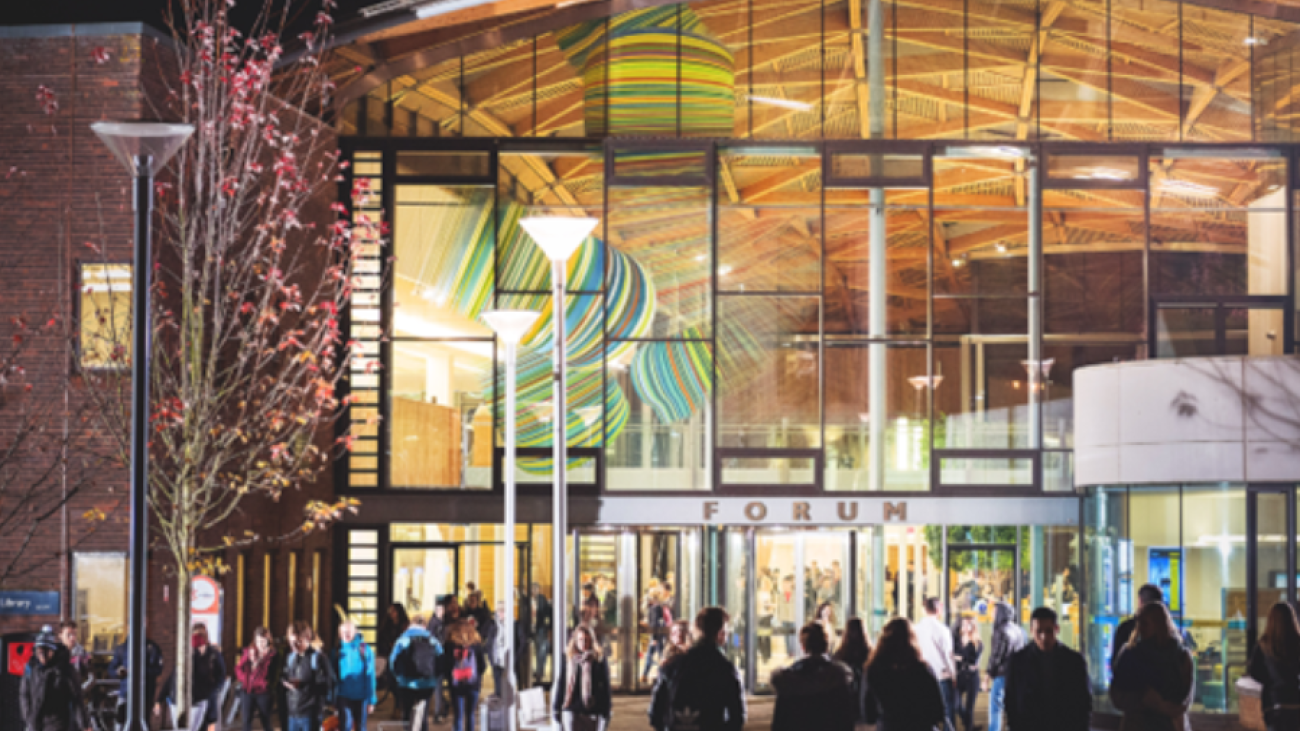
Students at the heart of London South Bank University decarbonisation project
Low-carbon heating project supports sustainability, innovation and future generations
Students are at the centre of a major decarbonisation project at London South Bank University (LSBU), where Salix is working in partnership with the university to deliver a low-carbon heating upgrade through the Public Sector Decarbonisation Scheme.
LSBU has secured a £206,700 grant through Phase 4 of the scheme to support the installation of three air source heat pumps (ASHP) at its Clarence Centre. The building, home to the university’s student enterprise team and innovation space, will benefit from cleaner, more efficient heating while providing students with a practical example of sustainability in action.
Salix client relationship manager Altyn Timraliyeva recently visited the site to see the project progressing. She was joined by colleagues Anna Kuratnikova and Lauren Golley.
During the visit, the team were joined by Adam Waite, capital works project manager from LSBU and were able to see inside the plant room. The team also saw where the new plant and pipework is located and looked at the three new air source heat pumps.
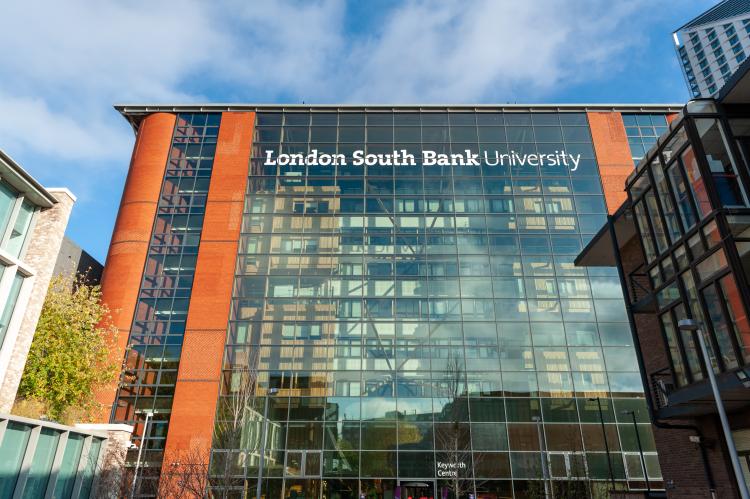
The London South Bank University building entrance
Photo credit: London South Bank University
It’s rewarding to see how projects like this are creating more sustainable environments while supporting students and staff for years to come.
Altyn said: “Learning is very much part of the journey at London South Bank University, and we’re proud to be working alongside the university to help deliver its decarbonisation ambitions.”
Our team were also able to tour the university’s renewable technology hub, where various low-carbon heating technologies, including underfloor heating, are showcased to demonstrate their practical application and operation.
Overall, the project demonstrates how investment in low-carbon technologies can help education institutions reduce emissions, improve the efficiency of their estates and create campuses that support both environmental ambitions and the next generation of learners.
As part of the Public Sector Decarbonisation Scheme works, one existing boiler will be removed and stripped for spare parts to support the ongoing maintenance of the remaining plant.
Two boilers will remain in operation to provide reliable heat, while the new air source heat pumps will integrate with the existing heating system, creating a resilient bivalent solution that reduces reliance on fossil fuels and supports the university’s long-term decarbonisation goals.
Adam Waite said: “LSBU is committed to reducing carbon emissions in line with the government’s 2050 net zero targets, however it is currently developing a strategy to understand how it can go further than this.
“As part of this decarbonisation project, with Mitie’s help in the application and feasibility, and funded by the Public Sector Decarbonisation Scheme and LSBU - this puts LSBU one step closer to meeting this target.
“This project included the removal of a gas boiler at the Clarence Centre, and installation of three air source heat pumps, this is to create a bivalent system.
“Air source heat pumps produce fewer emissions than gas boilers and are more energy efficient.”
The project is expected to be completed this autumn.
Altyn added: “Every site visit gives us a valuable insight into the passion and commitment of the teams delivering these projects, as well as the practical challenges involved in decarbonising complex public sector buildings.
“It’s rewarding to see how projects like this are creating more sustainable environments while supporting students and staff for years to come.”
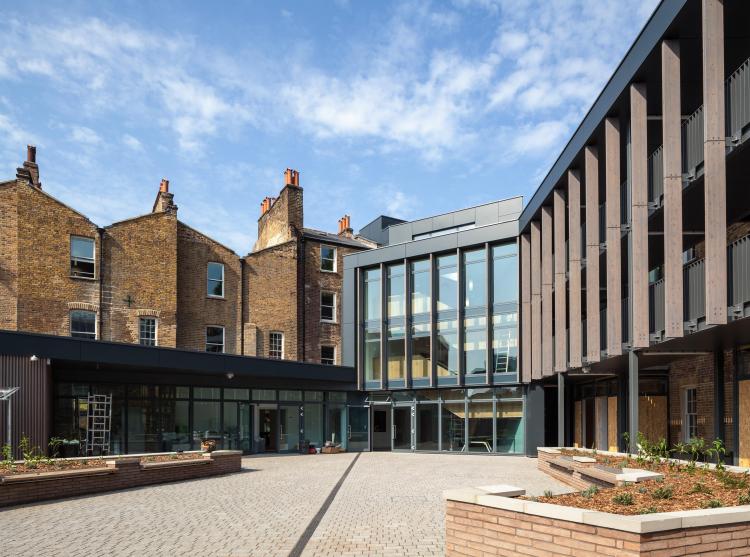
The Clarence Centre at London South Bank University
Photo credit: London South Bank University
The project supports LSBU’s commitment to achieving net zero carbon emissions by 2050.
The university’s sustainability strategy includes removing reliance on fossil fuels across its estate, reducing waste, embedding sustainable procurement and supporting the United Nations Sustainable Development Goals. LSBU already sources 100% of its electricity from renewable, REGO-certified supplies.
Alongside reducing emissions from its buildings, the university says it is committed to preparing students to address some of society’s biggest environmental challenges.
By embedding sustainability into its operations and teaching, LSBU is helping learners develop the knowledge and skills needed to respond to issues such as climate change, resource depletion and pollution.
Thank you to the team at London South Bank University (LSBU) for hosting the visit and sharing your learning and vision for the future.