Public sector leaders share practical lessons on the path to net zero in North Wales
From low carbon heat to renewable energy and electric vehicles Wales’s public sector shows how their turning net zero ambitions into practical action
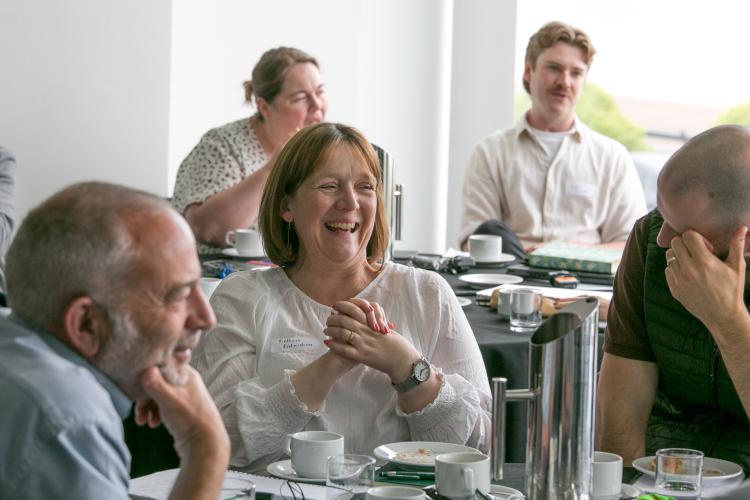
Against the backdrop of the North Wales coast, public sector professionals gathered in Llandudno for Net zero in practice: Wales’ public sector event.
This had a shared purpose, to learn from one another, celebrate progress already being made and explore how organisations across Wales can continue turning net zero ambition into practical action.
"We have the support, resources and ambitions in place to reach our goals and we want to show how we can help you get there."
That was the message from strategic lead at the Welsh Government Energy Service, Carwyn Davies, as public sector organisations gathered to explore practical approaches to decarbonisation and net zero delivery.
The event brought together those delivering projects on the ground with those providing the support, expertise and funding needed to make them happen.
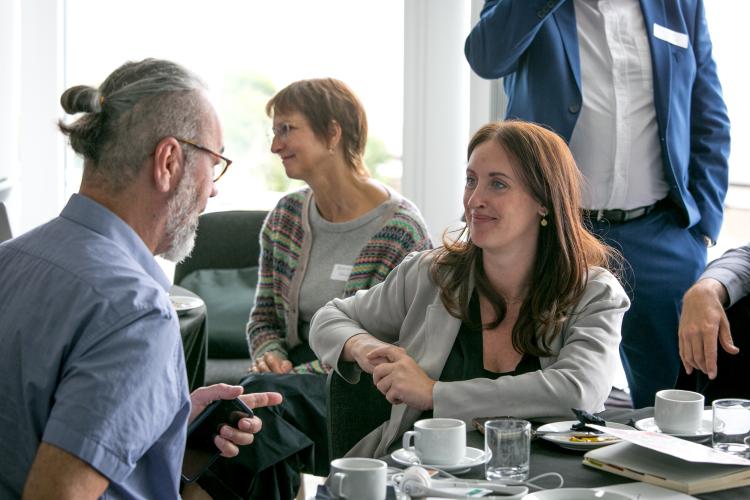
Throughout the day at Venue Cymru collaboration was a key theme – we need to work together to find solutions to challenges facing the public sector.
Supporting projects from concept to delivery
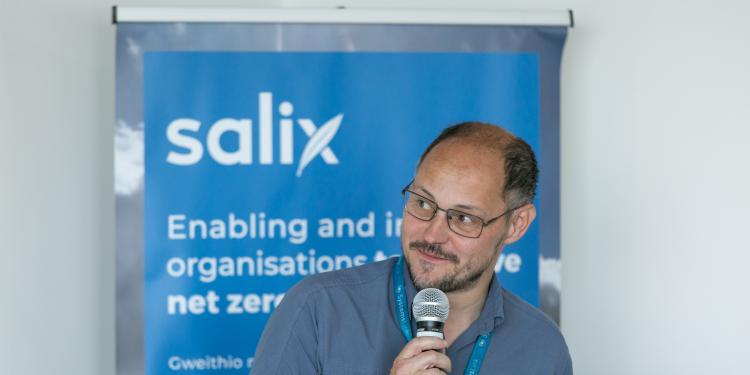
Assistant director of programmes at Salix, Heather Jones, opened the event.
She reflected on the increasingly visible impacts of climate change and the importance of maintaining momentum.
Heather highlighted the progress being made across Wales, with our teams at Salix delivering a record £75.7 million of funding through the Wales Funding Programme, Invest to Save (NHS) and Digarbon 2.
Our Wales team outlined our role in helping clients identify opportunities, develop projects and secure investment to reduce emissions and improve building performance.
Our mission is to support organisations to lower their energy costs, create warmer and healthier buildings and achieve their net zero ambitions.
Attendees also heard how our technical teams work alongside organisations throughout the project lifecycle, from assessing technologies and developing business cases to measuring performance and understanding the impact of funded projects.
We were able to share a range of tools and resources available to support delivery, including technical guidance, eligibility support and building performance calculations designed to help organisations make informed decisions.
Turning ambition into action
Representatives from the Welsh Government Energy Service explored the scale of the challenge facing Wales and the progress already being made to address it.
Head of the Welsh Government Energy Service, David Powlesland, reminded attendees that every project contributes to a much wider goal.
He said: “Why is this work important? It is all for a bigger reason and a bigger context being the massive challenge that we are facing. 2024 was the hottest year on record and there's a 90 per cent chance that it will be beaten in the next three years.”
He also reflected on the environmental impacts already being felt across Wales. He said: “We are seeing in the news that Wales is suffering from collapsing wildlife, polluting rivers and extreme heatwaves.”
While the statistics are sobering, attendees also heard examples of meaningful progress. The Welsh Government Energy Service highlighted that projects supported across Wales have delivered 61.8MW of renewable generation, 19.7MW of low carbon heat capacity, 22.6MW of electric vehicle charging infrastructure and 1,991 zero emission vehicles.
Since 2018, more than £340 million has been invested in public sector and community decarbonisation projects across Wales, with over £308 million deployed through climate and energy programmes supporting the public sector.
David said of the ambitions of those in the room and beyond: “People here are leaders with high ambition. We can raise and contribute to this ambition here to show it’s possible for us to achieve our goals.”
From funding to delivery at Coleg Cambria
One of the day's standout case studies came from Coleg Cambria, where the College’s sustainability and environmental specialist, Sophie Hughes-Saunier, shared the college’s experience of delivering a major decarbonisation project at the Elwy Building on its Yale campus in Wrexham.
The £1.2 million project, supported through Ynni Cymru and Digarbon funding, introduced five air source heat pumps, 150 solar photovoltaic panels and electric vehicle charging infrastructure to a busy campus used daily by students, staff and the wider community.
Delivering the project within just three months while maintaining activity across a live campus presented significant challenges, but Sophie explained that collaboration was central to the project’s success.
We were successful because we collaborated. Don't try and do it all yourselves. It was brilliant being able to talk it through with the team at Salix and they were such a support through it all.
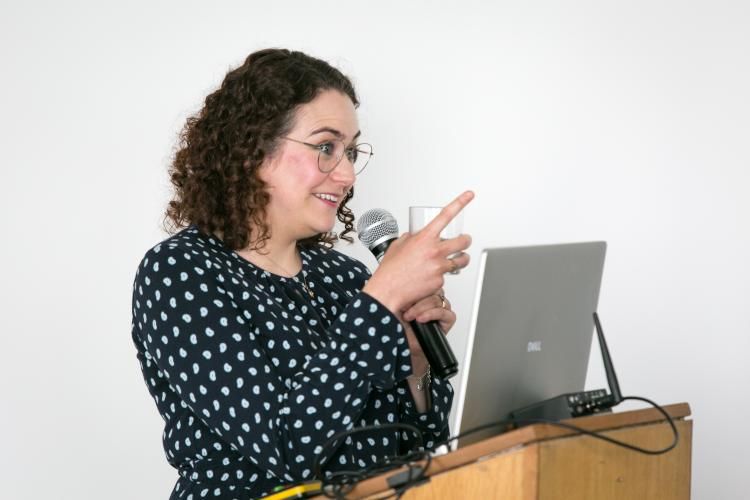
The college also chose to work with a local contractor. Sophie said: “We recommend using a North Wales contractor as we had such a level of trust and wanted to invest in our local community.”
The project is expected to save around £18,000 in energy costs and reduce emissions by approximately 39 tonnes of carbon each year.
Sophie highlighted the importance of early stakeholder engagement, robust performance monitoring and remaining flexible when responding to technical challenges.
The college is now looking at future opportunities to expand its use of solar generation, submetering technology, smart sensors and zero emission vehicles.
Responding to climate impacts on the frontline
Attendees also heard from environment and climate change manager at North Wales Fire and Rescue Service, Tim Christensen. He shared a unique perspective on climate action from an organisation already experiencing the effects of climate change first hand.
Tim said: “We are at the frontline of climate change. We see firsthand the impact it is having on our environment. We see an increase in fires and flooding.”
Serving six counties across North Wales, the Service is responsible for a large and complex estate as well as an extensive operational fleet.
Tim explained how the organisation is focusing on reducing emissions through energy efficiency improvements, renewable energy generation, battery storage and the phased replacement of fossil fuel heating systems.
Attendees also heard about progress in decarbonising the fleet, including the introduction of electric firefighting vehicles and the transition of operational vehicles to lower carbon fuels.
Tim highlighted the importance of organisational culture in helping to drive progress.
He said: “We had really good buy in from staff. People support it. Staff see the reality of this impact every day. They personally want systems to be better for them too.”
The presentation offered a powerful reminder that decarbonisation is not only about reducing emissions, but also about building resilience and preparing essential public services for the future.
Building momentum through funding and innovation
The afternoon sessions explored current funding opportunities available through Digarbon 3, the latest phase of support available to further and higher education institutions in Wales.
The programme continues to help organisations invest in low carbon heat, energy efficiency improvements, renewable energy generation and electric vehicle infrastructure, building on the success of the two previous funding rounds which saw a saving of an estimated 2,300 tCO2 per year.
Attendees also heard from senior programme manager at Welsh Government Energy Service, Jim Cardy, who discussed the growing role of electric vehicles within public sector decarbonisation plans.
Transitioning is a shared progression. The work that we are doing and have seen shows commitment across the public sector.
Jim highlighted significant progress in fleet transition, noting that fewer than one per cent of public sector vehicles were electric in 2020 compared with around 14 per cent today.
Practical solutions delivering real benefits
The final case study came from property energy and carbon manager at Denbighshire County Council, Martyn Smith, who shared examples of how renewable energy, battery storage and electric vehicles are helping reduce emissions while supporting frontline services.
His presentation explored projects ranging from electric vehicles used by care workers supporting residents in their homes to battery storage systems helping maximise the value of renewable energy generation.
The examples demonstrated how practical solutions can be tailored to local needs while delivering both environmental and operational benefits.
Learning together
The event concluded with an interactive breakout session focused on the barriers organisations face when developing and delivering decarbonisation projects.
Attendees discussed challenges including funding constraints, governance processes, technical capacity and procurement considerations, while sharing practical ideas and experiences from their own organisations.
The conversations reinforced one of the strongest themes of the day: that progress is accelerated when organisations learn from one another.
Head of climate adaptation, public sector climate and innovation at Welsh Government, James Searle, reflected this collaborative approach.
He said: “there’s no right answer, but together we can work at the option that is best for this point in time and strive for the change that we need.”
Energy conservation officer, Phil Southern, from Flintshire County Council echoed the importance of engagement.
He said: “It’s about the right engagement with the right people at the right time.”
Looking ahead
As the event drew to a close, the events chair Heather reflected on the themes that had emerged throughout the day, highlighting preparation, planning and monitoring as essential foundations for successful project delivery.
From colleges and councils to emergency services and technical specialists, the projects shared in Llandudno demonstrated that meaningful progress is already being made across Wales.
The technologies may differ. The challenges may vary from organisation to organisation. But the commitment to creating a more sustainable future remains the same.
As public sector organisations continue to reduce emissions, improve buildings and invest in cleaner technologies, events such as Net zero in practice: Wales’ public sector provide an opportunity to share experiences, build confidence and inspire the next generation of projects.
Because while the path to net zero may look different for every organisation, it is a journey that Wales is undertaking together.