Groundbreaking geothermal project a step closer at University of York
- Drilling to begin at University of York next year in groundbreaking project
- The UK first will see gas replaced with natural underground heat
- Funded by £35 million from the Public Sector Decarbonisation Scheme
- Scheme will become a living lab for future learning
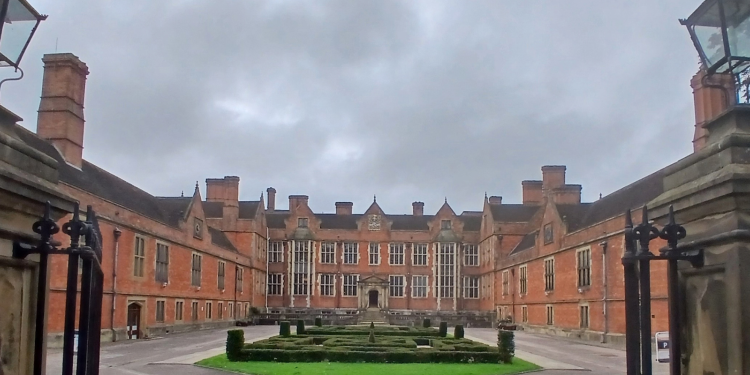
A groundbreaking UK first is a step closer as the University of York looks to power its campus with underground, natural heat rather than gas.
Drilling four kilometres into the ground is set to begin next year as part of the £35 million geothermal scheme, funded by the Public Sector Decarbonisation Scheme - administered by our Salix team.
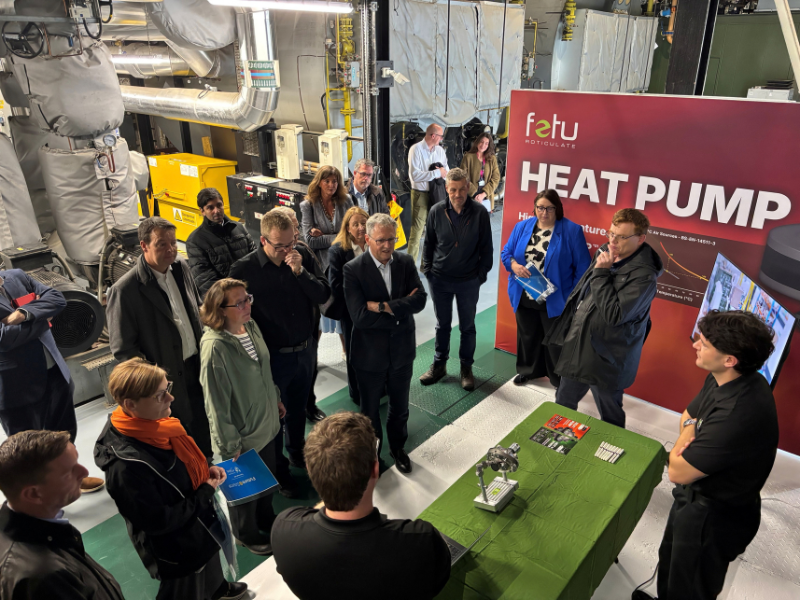
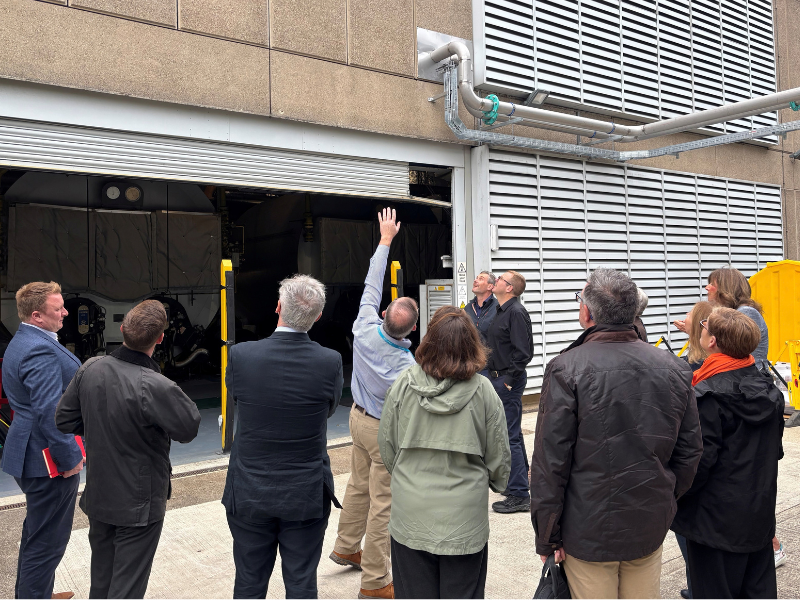
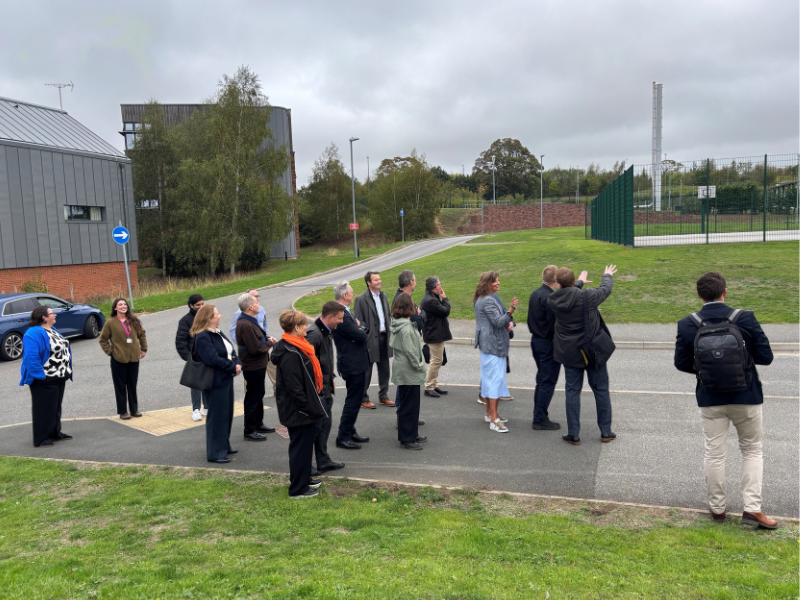
Our board took a guided tour of the site where planning permission for drilling has now been granted, as the university aims to cut fossil fuel use and help shape the future of low-carbon heating in the UK.
"In the UK, this will be a first of the kind exemplar. We are exploring a new way of harnessing geothermal energy while forming a living lab with a range of engineering technologies," said Paul Bushnell, project director for the Public Sector Decarbonisation Scheme at York.
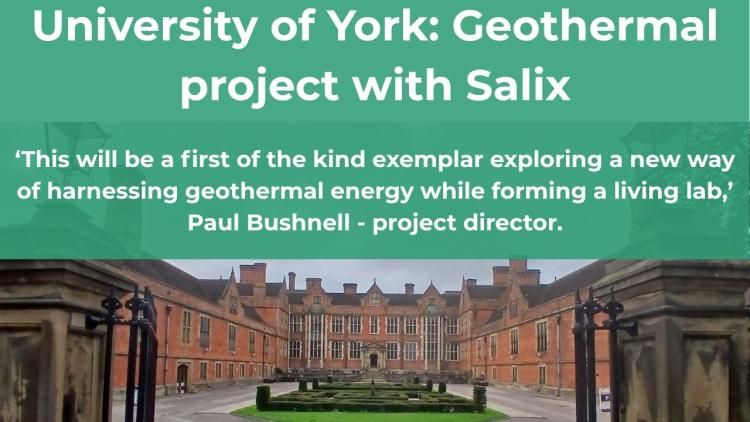
“We’ve got a moral responsibility to reduce our carbon footprint and in one fell swoop our project aims to reduce that significantly by feeding most of our buildings with geothermal energy,” Paul said.
"The University of York campus has a large district heating system already, which is currently fed by gas boilers.
"The idea of the geothermal project is to drill four kilometres underneath the ground to access hot water to displace the gas plant with a new geothermal power source."
The drilling rig for this work has already entered the UK, ready to start work next year. Other preparations such as site design and planning permissions are also complete, as well as a 3D seismic survey of the ground to a depth of five kilometres.
More than 100 locals helped support the data collection by hosting small sensors in their garden, thus playing an important part in the project's development.
Salix are a very good critical friend. They’ve been with us looking at our designs and logic throughout the process, as well as making sure the money is spent well.
Once fully operational, it's hoped that the project will become a living lab and part of the curriculum for students at York and even a national showcase for renewable heating, research and innovation.
A recent annual geothermal report by the university recognised our support and the strong partnership, which will help deliver a cleaner energy future.
In the report, the area's Labour MP, Rachael Maskell, said that “this project not only reduces carbon emissions but also serves as a hub for research and education, fostering the next generation of renewable energy experts".
Speaking as our board came together on the York campus to tour the site, Paul added that "one of the important factors of Salix is they have administered the grant funding – the money that has helped support and get this project off the ground.
"The other way to view Salix is they’re being a very good critical friend. They’ve been along with us along the journey of looking at the designs, looking at our logic throughout the process, as well as doing their duty to make sure the money is spent well."

Our board visited the site where drilling will begin in the new year
Credit: Salix Finance
The project at York is one of three geothermal projects that our teams are involved with, which have all received funding from the Public Sector Decarbonisation Scheme - the others being the Countess of Chester Hospital NHS Foundation Trust and University Hospitals Birmingham NHS Foundation Trust.
Our assistant director, energy, carbon and technical Davide Natuzzi said: “Geothermal power in the UK faces the challenge of relatively low natural heat flow, but with innovative technologies and targeted investment, it has the potential to provide a reliable and sustainable source of low-carbon energy."
As for York, heating the university campus could also be just the first step. The hope and aspiration if drilling the first well results in success is to drill a second which could potentially provide excess heat to power other parts of the city.