
Scheme:
Scotland’s Public Sector Heat Decarbonisation Fund
Technologies used:
Roof insulation, Insulation - draught proofing, Solar PV, Air source heat pump
Region:
Scotland
Client type:
Charity
Your partner for a low carbon future
Scotland’s Public Sector Heat Decarbonisation Fund
Roof insulation, Insulation - draught proofing, Solar PV, Air source heat pump
Scotland
Charity
Total project cost
Estimated annual carbon savings
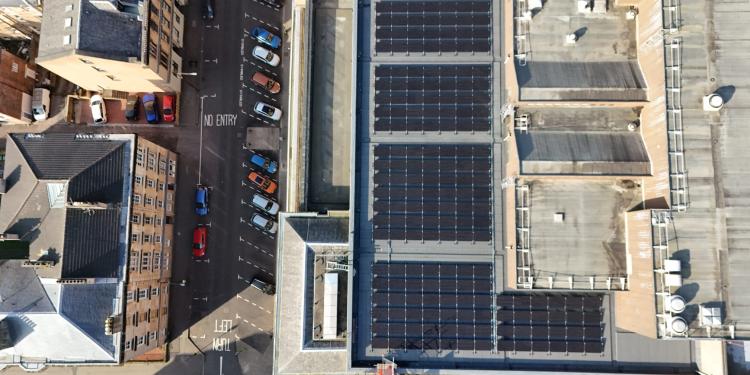
Glasgow Life has transformed the Mitchell Library, one of Europe's largest public libraries, through a major heat decarbonisation and energy efficiency project. Supported by Scotland's Public Sector Heat Decarbonisation Fund, the £3 million scheme combines low-carbon heating, solar PV, insulation upgrades and smart building controls to reduce carbon emissions by 467 tCO₂e annually while safeguarding a 115-year-old Glasgow landmark.
The project introduced a cascade heat pump solution alongside upgraded pumps and building management controls. Together, these technologies reduce reliance on fossil fuels while providing efficient, low-carbon heating suitable for a complex historic building.
✅ £2.39m funding awarded
✅ 467 tCO₂e annual carbon savings
✅ £39,000 annual energy cost savings
✅ Grade A listed building
✅ One of Europe's largest public libraries
✅ Heat pumps and solar PV installed
✅ Supports Glasgow Life's Net Zero 2030 strategy
✅ Protecting a 115-year-old heritage landmark
Chief executive of Glasgow Life Kay Morrison, said: “The Mitchell Library is a Glasgow institution that has been used by generations of people for learning, entertainment and research.
“The library has been in its current building for 115 years and the decarbonisation project is helping to reduce carbon emissions, supporting Glasgow’s journey towards net zero status. The project showcases Glasgow Life’s ambitious aspirations to decarbonise our estate.”
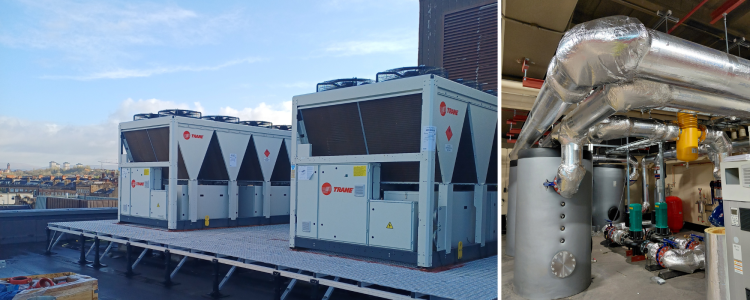
Photo credit: Glasgow life
The Mitchell Library, one of Europe’s largest public libraries and a cornerstone of Glasgow’s heritage, faced major operational risks, including;

Photo credit: Glasgow life
The Mitchell Library faced several challenges:
Upgrading historic and listed buildings can present unique challenges, particularly when balancing decarbonisation goals with heritage preservation requirements. The project demonstrates how a large-scale heritage building retrofit can successfully introduce low-carbon heating technologies while protecting an important public building.
The project secures the long-term future of one of Glasgow's most important cultural institutions. Alongside annual carbon savings of 467 tCO₂e and energy cost savings of £39,000, the improvements help ensure the Mitchell Library can continue supporting learning, research and community services for future generations - a major step forward for Glasgow Life’s Net Zero 2030 strategy. It demonstrates how strategic use of funding can overcome budget constraints.
By reducing operating costs and modernising building infrastructure, the project helps protect services relied upon by Glasgow residents, including specialist lending collections, research facilities and Additional Support for Learning resources used by schools across the city.
The project has helped secure the future of a much-loved public building used by thousands of visitors every year for learning, research, education and community engagement.
Benefits include:
Early engagement with SP Energy Networks is essential when delivering large heat decarbonisation projects.
Future projects would benefit from securing grid connection requirements and power supply upgrades earlier to minimise potential delivery delays.
Building on the success of the Mitchell Library project, Glasgow Life plans to continue decarbonising its estate through future low-carbon heating and energy efficiency projects, including the next phase of works at the Glasgow Museum Resource Centre.


