
Decarbonisation works deliver warmer, more efficient fire stations across Berkshire
Five Berkshire fire stations transformed in major investment delivering cleaner heating, better insulation and renewable energy, creating warmer, more efficient workplaces for firefighters while cutting energy use, costs and carbon emissions
Royal Berkshire Fire and Rescue Service (RBFRS) has completed a major energy-efficiency upgrade across five fire stations, creating more comfortable working environments for crews while cutting energy use, costs and carbon emissions.
The two-year programme focused on five of the service’s least energy-efficient buildings: Caversham Road, Wokingham Road, Newbury, Whitley Wood and Langley fire stations.
At the heart of the programme has been the replacement of fossil fuel heating systems with air source heat pumps, providing cleaner and more efficient heating and, at some sites, hot water.
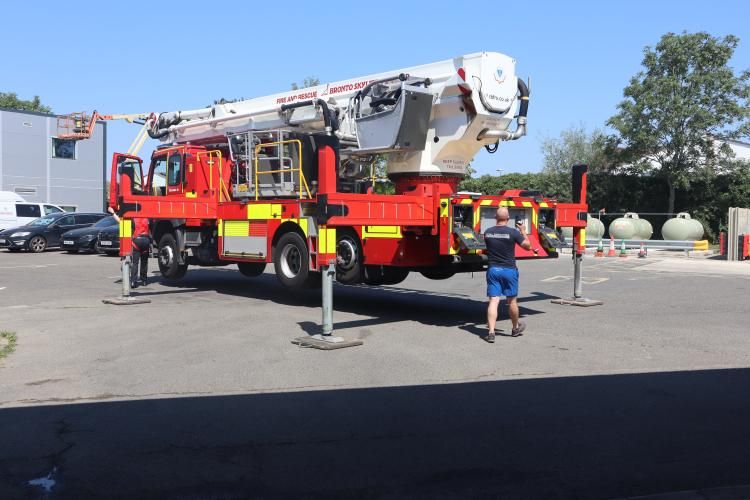
Photo credit: Royal Berkshire Fire and Rescue Service
They will make a real difference to the people who work in our fire stations every day, providing more comfortable, efficient buildings while helping us reduce energy use and running costs.
Royal Berkshire Fire and Rescue Service sustainability officer Sophie Fox said: “These improvements are about much more than reducing carbon.
“They will make a real difference to the people who work in our fire stations every day, providing more comfortable, efficient buildings while helping us reduce energy use and running costs.
“Replacing older heating systems with cleaner technology, improving insulation, windows and doors, and introducing more efficient lighting means our crews can benefit from better working environments while we take important steps towards a lower-carbon fire and rescue service.”
The stations
The new systems have been supported by improvements to the buildings, including insulation, new doors and windows, LED lighting and, at Whitley Wood, a new solar photovoltaic (PV) system.
The improvements mean crews can enjoy consistent indoor temperatures, reduced drafts and improved thermal comfort during colder weather.
At Caversham Road Fire Station, the works have included an air source heat pump system for heating and hot water, external door and roof-light replacements and cavity wall insulation. Wokingham Road received a new heat pump system, external doors, targeted window replacements and cavity wall insulation.
At Newbury, the programme included an air source heat pump system, new external doors and targeted window replacements, cavity wall insulation and LED lighting.
Whitley Wood benefited from a heat pump, full window replacement, new external doors, LED lighting and solar PV, while Langley received a heat pump, external doors, targeted window replacement, cavity wall insulation and external LED lighting.
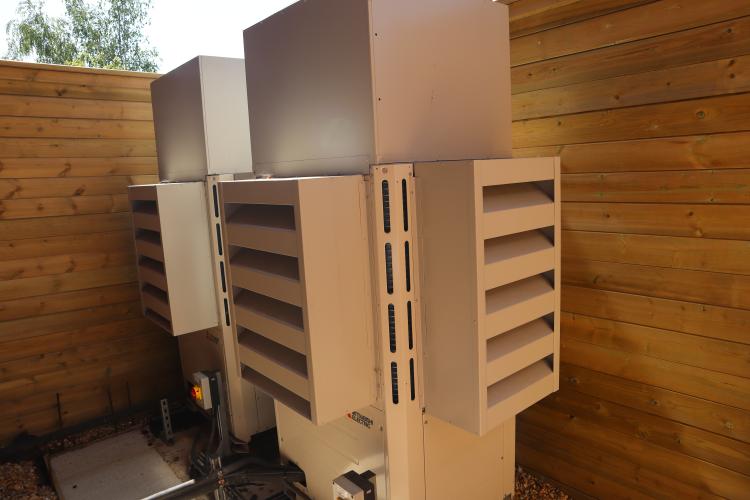
Photo credit: Royal Berkshire Fire and Rescue Service
Energy impact
Together, the measures will reduce heat loss and energy demand, helping the stations to stay warmer in winter and more comfortable throughout the year. More efficient heating and lighting should also reduce electricity and heating consumption, delivering longer-term savings and reducing maintenance requirements.
The solar PV system at Whitley Wood will generate renewable electricity on site, helping to reduce the station’s reliance on electricity from the grid and further lowering its carbon footprint.
Funding
The programme was supported by £927,845 secured by Royal Berkshire Fire and Rescue Service through the Public Sector Decarbonisation Scheme delivered by our teams at Salix. The service is investing a total of £1.77 million in sustainability improvements over two years, with support from the Royal Berkshire Fire Authority.
The work builds on a £40,000 Low Carbon Skills Fund grant secured in 2023. The funding enabled the service to develop a heat decarbonisation plan covering 11 fire stations across Berkshire.
The plan identified inefficiencies across the service’s buildings and provided a roadmap for reducing carbon emissions and improving the energy performance of the estate.
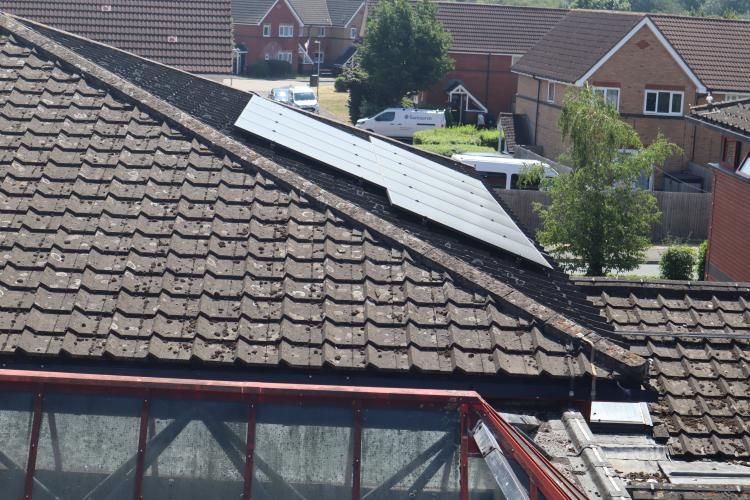
Photo credit: Royal Berkshire Fire and Rescue Service
Project challenges
The service said delivering the improvements across five stations at the same time presented some challenges.
Connecting sites to the electricity network required coordination between the Distribution Network Operator (DNO), electricians and metering companies. This did cause some delay for the project.
Several existing boilers also reached the end of their operational lives before the new heating systems could be installed. Temporary boilers were therefore required at some stations which meant additional costs.
By reducing heat loss, improving heating efficiency and generating renewable energy, the programme is expected to provide lasting environmental and financial benefits while creating better places for firefighters and other staff to work.
A positive learning for the team was that they used a single main contractor to deliver the five projects which helped provide consistency across the programme and ensure a coordinated approach across the sites, despite pressures on resources at key points.
See our case study for further details.
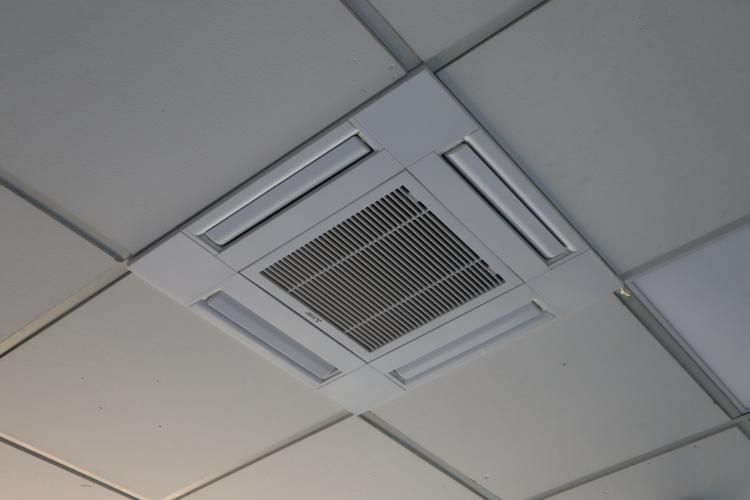
Photo credit: Royal Berkshire Fire and Rescue Service
Thank you to Royal Berkshire Fire and Rescue Service for supporting this story and case study. Congratulations on the project work.


