
Scheme:
Phase 3c Public Sector Decarbonisation Scheme
Technologies used:
Air source heat pump, LED lighting, Cavity wall insulation, Solar PV
Region:
South East
Client type:
Emergency services
Your partner for a low carbon future
Phase 3c Public Sector Decarbonisation Scheme
Air source heat pump, LED lighting, Cavity wall insulation, Solar PV
South East
Emergency services
Royal Berkshire Fire and Rescue Service identified five of its most energy-inefficient fire stations as priorities for heat decarbonisation and energy efficiency improvements.
The programme aimed to remove fossil fuel heating systems and replace them with air source heat pumps, supported by improvements to the building fabric and other energy efficiency measures.
The works were designed to reduce heating-related carbon emissions and energy consumption while improving thermal comfort and creating better working environments for crews.
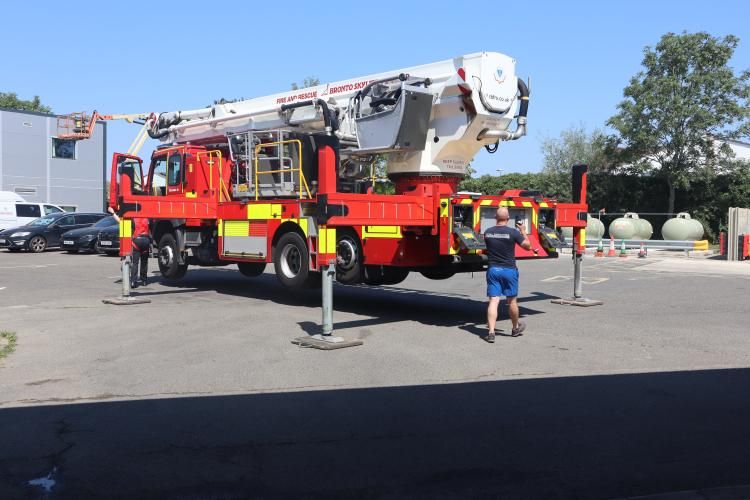
Photo credit: Royal Berkshire Fire and Rescue Service
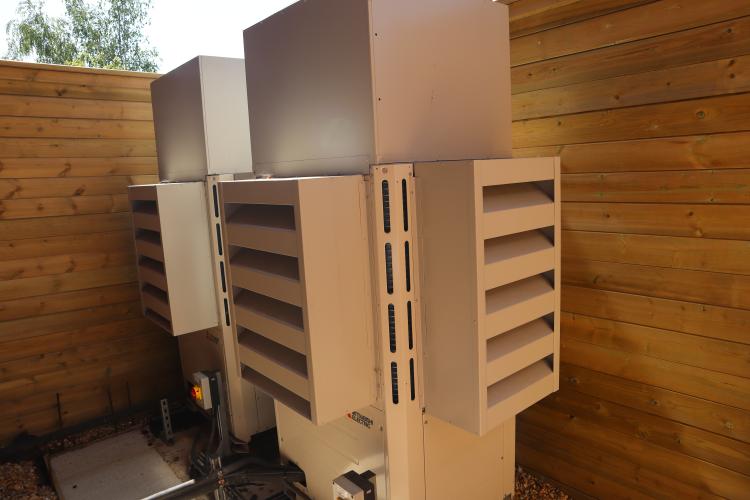
Photo credit: Royal Berkshire Fire and Rescue Service
The programme combined low carbon heating technology and improvements to the buildings. Works varied by site according to individual requirements.
The five stations were identified as having some of the greatest opportunities for improving energy efficiency across the Royal Berkshire Fire and Rescue Service estate.
The existing fossil fuel heating systems contributed significantly to heating-related carbon emissions, while ageing doors, windows and other elements of the building fabric contributed to heat loss and drafts.
The programme provided an opportunity to take a whole building approach. This mean replacing fossil fuel heating while improving the buildings’ ability to retain heat and reducing energy demand.
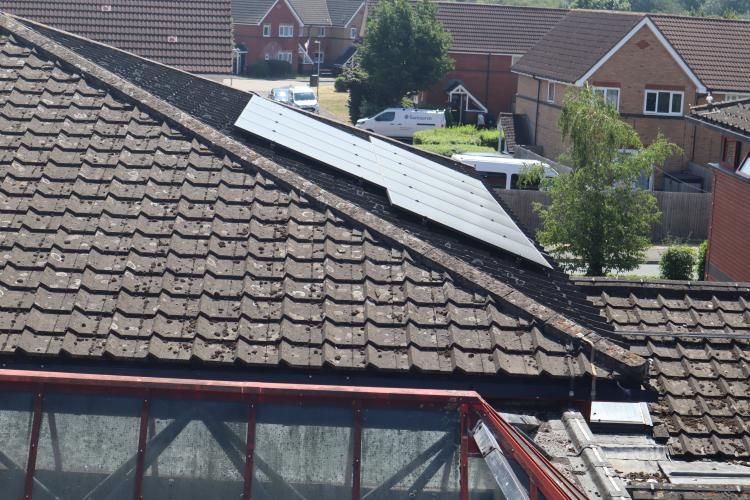
Photo credit: Royal Berkshire Fire and Rescue Service
Arranging connections with the Distribution Network Operator (DNO) was a significant programme consideration. Although this was identified as a foreseeable risk, long lead times and the need to coordinate DNO works with electricians and the metering company created challenges.
Lesson learnt: Early engagement is essential, but sufficient time and flexibility should be built into the programme to accommodate the dependencies between different organisations.
The metering company was engaged early in the project, but coordinating its requirements with the DNO and other contractors proved challenging. This contributed to significant delays at some sites.
Lesson learnt: Requirements and responsibilities should be established as early as possible, with clear communication between all parties involved in electrical connections and metering.
Because the project was delivered over a two-year programme and the funding requirements meant that the new systems could not always be installed immediately, several existing boilers reached the end of their operational lives before replacement heating systems were ready.
This resulted in the need for temporary boilers at some stations, creating additional costs and logistical requirements.
Lesson learnt: For projects replacing ageing heating systems, contingency arrangements for premature equipment failure should be considered from the outset.
The procurement approach was designed to deliver all five sites concurrently under a single principal contractor. Overall, this provided consistency across the programme and enabled a coordinated approach between sites.
However, delivering five projects simultaneously placed additional pressure on resources at key points and contributed to some delays.
Lesson learnt: A single-contract approach can provide significant benefits in consistency and coordination, but resource requirements and potential pinch points need to be carefully planned and monitored throughout delivery.
The completed works are expected to deliver a range of environmental, financial and operational benefits.
The programme demonstrates how heat decarbonisation can be combined with practical improvements to existing buildings to deliver wider benefits.
By replacing fossil fuel heating systems with air source heat pumps and improving the buildings’ fabric and energy efficiency, Royal Berkshire Fire and Rescue Service is reducing energy demand and heating related emissions while creating warmer, more comfortable and efficient fire stations.
The project also provides valuable lessons for future decarbonisation projects, particularly around the coordination of network connections, metering, ageing heating infrastructure and the delivery of multiple sites concurrently.


